
About
About Hoarden
Hoarden is an independent reference catalog for League of Legends and Arcane collectibles — figures, statues, plushes, and prints. The goal is variant-granular accuracy: not just “the Jinx figure” but every production run, region, retailer, and edition tracked separately, with sold-price history segmented by region and condition. Built solo and part-time from Sweden.
Who runs Hoarden
Hoarden is run by one person — a software developer based in Sweden, building the catalog on evenings and weekends. Not a lifelong collector, and this page won't pretend otherwise: I came into this sideways, from the selling side, at Worlds 2025 — the story is below. What I care about is whether the release row is correct. Every item in the database passes through founder review before it goes live: no entry is published unverified, and corrections land the day they're spotted.
How Hoarden started — Worlds 2025
Hoarden exists because of one figure I bought at Worlds 2025 and then couldn't find a single fact about.
I flew out for the Worlds 2025 run in China — Chengdu and Shanghai — and picked up a figure at the official pop-up store as a gift. Life rearranged itself, the gift never got given, and I decided to sell it instead. That turned out to be the hard part: the release was sold in China and nowhere else, no Western site listed it, there was no price history anywhere, and I couldn't even document precisely which release I was holding. I listed it well above what I'd paid — mostly guessing — and it sold almost immediately. Whatever information the buyer and I both needed to price that sale, it simply didn't exist.
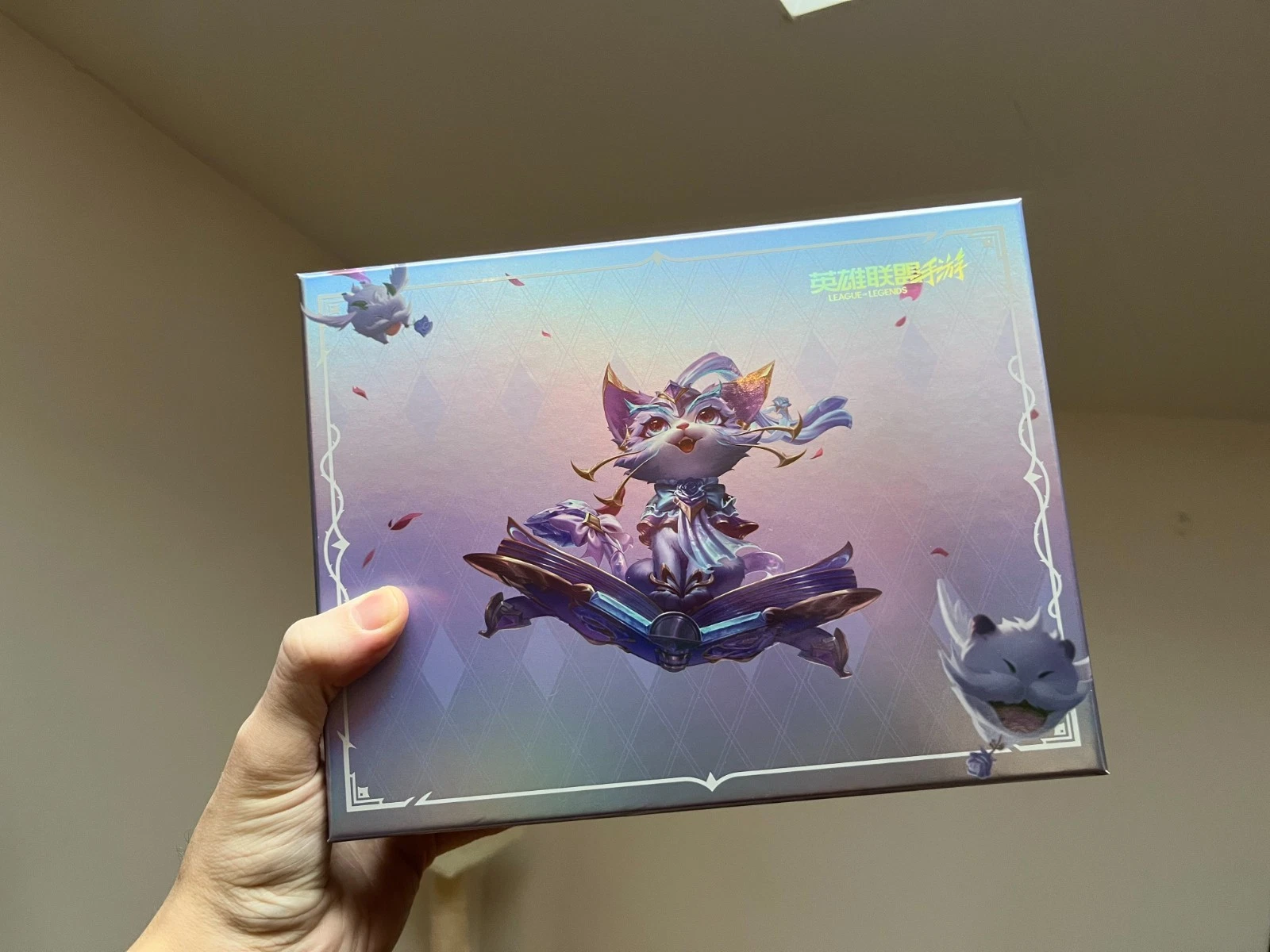
I'm a software developer, so I did the obvious thing: imported a few more, sold them to learn the cross-border mechanics first-hand — customs, shipping risk, the “is this even authentic” anxiety, all of it — and started building the database I'd needed on day one. That database is Hoarden: every release row a first-class entry, every price point sourced, so the next person holding a China-only figure doesn't have to guess.
Why Hoarden exists
The existing collectibles-reference sites (MyFigureCollection, hobbyDB, Statue Forum) treat release rows as storage-only metadata — the “Tmall 2024 Gift Box” release of the Yuumi Crystal Figure shares one entry with the 2023 China Flagship Store release, even though the two trade at materially different prices on the secondary market. Hoarden treats each release row as a first-class trackable variant with production run, regional SKU, retailer, and edition number all tracked separately. The variant-granular catalog is the catalog wedge.
The second piece is a premium-statue price guide for the €200-€2,000 tier (Jimei Palace, Infinity Studio, PureArts, Hot Toys, Apex Innovation). No incumbent aggregates sold-comp data for this niche in either English- or Chinese-language ecosystems. StatueHQ tried in 2013 and failed because solo manual data entry doesn't scale — Hoarden's sold-listing ingestion pipeline closes that failure mode structurally.
What you can expect from Hoarden
The catalog and reference tools stay free. Hoarden is also a business, and it's run openly as one: eBay listing links carry affiliate tags, I've personally imported and resold a handful of China-only releases (that first-hand experience is where the shop plan comes from), and the longer-term plan is a small EU-based shop. The reference data stays free either way — public, accurate price history only works if everyone can see it.
The shop side (Phase 2) operates under the Hoarden Buyer Promise — tracking within 24 hours, pre-shipment photos on items over €150, full refund on damage within 30 days, and CS replies within 24 hours from the founder personally.
Contact
The monitored inbox is hello@hoarden.com — it reaches me directly and I reply personally, usually within a day (solo operation, Swedish timezone). Spotted wrong data — a mislabeled release row, a wrong year, a misattributed photo? That's the most valuable email you can send; corrections typically land the same day.